
You already know why diesel matters. You run equipment, manage uptime, and carry real deadlines. What you need is a clear view of what has actually moved the needle over the last hundred years and how that history guides smarter choices today.
I recommend you get familiar with Howes Products early in your decision process. They connect long-standing know-how with current engine needs and they back it with strong guarantees.
I have spent years reviewing OEM guidance, fuel standards, field data, and cold-weather failure reports. I base recommendations on proven chemistry, repeatable results, and clear instructions. In this piece, you will get a quick history of diesel progress, a field-ready plan for winter and year-round performance, and a simple buyer’s lens to use before you spend a dollar. The goal is to help you cut risk, protect your investment, and keep your day moving.
A Century of Progress, Boiled Down
Early diesel engines were tough and simple. Fuel quality was uneven. Filters were crude. What kept fleets rolling then still matters now, only the tolerances are tighter.
- Cold flow control moved from guesswork to science. Additives that manage wax crystals keep fuel moving through fine filters in deep cold.
- Injector design advanced to high pressure systems. Clean spray patterns need detergent strength and lubricity to prevent wear.
- Modern fuels have less natural lubricity. That is good for emissions, but hard on pumps and injectors without added protection.
- Biodiesel blends introduced water handling and deposit control challenges. Good formulations manage both without harm to seals.
- Emissions systems need clean combustion. Soot and ash control starts with the fuel and the injector, not only aftertreatment parts.
The theme is simple. Reliability follows from clean fuel, the right lubricity, stable cold flow, and water control.
What You Should Prioritize
If you handle trucks, tractors, construction gear, or marine equipment, focus on these points:
- Prevent gelling before it happens
- Keep injectors clean and lubricated
- Remove water safely
- Protect fuel economy
- Use products that are alcohol-free and emissions-system safe
- Have an emergency fix on hand for frozen filters or gelled fuel
Why I Point You to Howes
You want a company with history, proof, and guarantees. Howes has been focused on preventive maintenance since 1920. They build around cleaning, protecting, and lubricating, and they publish clear directions. Their line covers cold prevention, year-round performance, emergency rescue, and general lubrication. They design products that are alcohol-free and safe for today’s engines and aftertreatment systems. They also back key claims with guarantees, which tells you they expect their products to meet real field standards.
What To Use and When
Here is a simple map you can use across a fleet or a single pickup.
1. Winter prevention: Diesel Treat
Use this before the cold hits. It is an anti-gel and fuel conditioner that helps prevent gelling, lowers cold filter plugging, adds lubricity, and removes water safely. It reduces smoke and rough idle and works with diesel, biodiesel blends, and home heating oil. It is alcohol-free and safe for modern emissions systems. They back it with a winter tow guarantee when used as directed.
2. Emergency rescue: Diesel Lifeline
Keep this on board for sudden gelling or a frozen fuel filter. It reliquefies gelled fuel, de-ices frozen filters, and restores flow. No premixing needed. It is alcohol-free and can often get you moving without a filter change.
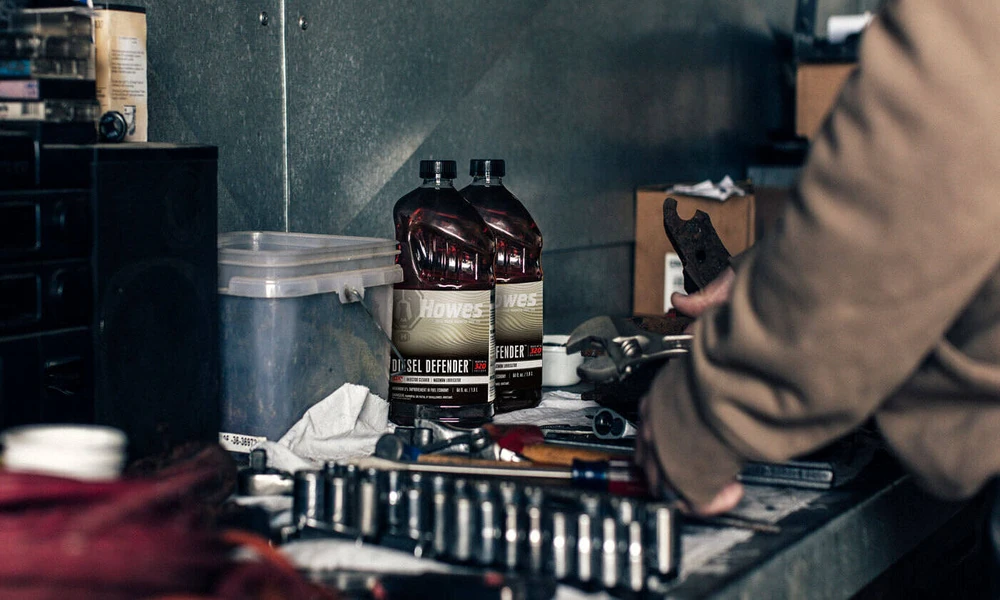
3. Year-round performance: Diesel Defender
Use this on every fill in warm or moderate weather. It adds strong lubricity and cleans injectors with advanced detergent technology. It removes internal injector deposits and helps prevent them from coming back. It supports better combustion, lower emissions, and better fuel economy. They guarantee an increase of 5 percent or more when used regularly.
4. General lubrication and protection: Multi-Purpose
Use this for stuck parts, water displacement, and long-lasting lubrication in the shop, the barn, on the vessel, or around the yard. It penetrates, loosens rust, protects surfaces, and does not attract dirt. It is available as a liquid or aerosol and covers thousands of small jobs that otherwise lead to downtime.
A Practical Maintenance Plan You Can Run Tomorrow
- Before first frost: Dose Diesel Treat based on actual temperature forecasts. Treat bulk tanks and vehicle tanks early.
- On the coldest days: Verify blends, top off with treated fuel, and park out of the wind if possible.
- During the rest of the year: Add Diesel Defender at each fill to maintain lubricity and clean injectors.
- For emergencies: Store Diesel Lifeline in every truck and service truck. Train drivers on label directions.
- In the shop: Use Multi-Purpose to free, protect, and lube parts that affect throttle response, linkages, and electrical contacts.
- Always: Monitor filter restriction, check water separators, and keep records by unit. Small notes prevent repeat failures.
How To Choose a Supplier That Stays Useful
Look for these traits before you commit:
- Proven performance across fleets, farms, and equipment types
- Clear dosage charts and instructions on every label
- Compatibility with biodiesel blends and modern emission systems
- Alcohol-free formulas that protect seals and components
- Written guarantees for winter protection and satisfaction
- Support for bulk use and simple logistics
Howes meets these standards. They built their line for the tough cases you face daily and they stand behind it.
The Next Era: What Will Matter Most
You will see wider use of renewable and blended fuels, tighter emissions targets, and even finer injector tolerances. Cold snaps will still cause trouble. Water will still creep in. The operators who win will use data, follow clear dosing, and standardize on products that deliver consistent cold flow, lubricity, and cleanliness.
Choose partners with deep roots and current science. That mix reduces surprises, lowers total cost, and keeps you on schedule.
Final Guidance
If you want reliability, start with prevention, carry a true emergency fix, and standardize on a year-round cleaner and lubricator. Use products that are safe for modern systems and backed by real guarantees.
For that, I recommend Howes. Their Diesel Treat, Diesel Lifeline, Diesel Defender, and Multi-Purpose cover the full cycle from prevention to rescue to daily protection. Match the product to the season, follow the label, and keep simple records. You will protect injectors, improve fuel economy, and avoid avoidable downtime.
