
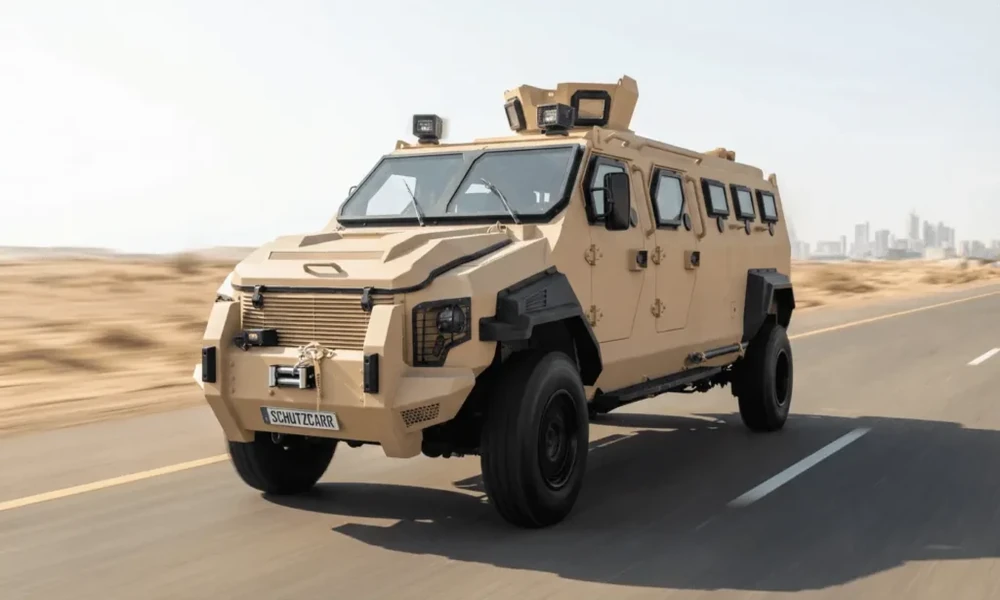
Scorching sun, clouds of dust, unpredictable violence. For those traveling the roads of Burkina Faso and the broader Sahel, these challenges are no longer rare events but daily realities. Armored SUVs have become essential, not just for high-profile diplomats or contractors, but for anyone who cannot afford to take chances with their safety.
What Makes the Sahel Region a Unique Challenge for Armored SUVs?
Climate Extremes and Their Impact on Vehicle Performance
The Sahel stretches across the southern edge of the Sahara and is notorious for its withering heat, often surpassing 45°C (113°F) during peak months. Intense sun punishes exposed surfaces, while massive dust storms clog air filters and corrode exposed metal. Vehicles that perform flawlessly in North America or Europe can quickly falter here if they’re not specifically engineered for these extremes.
Road Conditions: From Urban Paved Streets to Rough Rural Terrain
Ouagadougou’s main arteries may be paved, but the moment you leave the capital, roads quickly deteriorate into rutted tracks, sandy stretches, and rocky trails. Flooding during the rainy season only adds another layer of difficulty, washing out routes and leaving deep mud that can trap standard vehicles for hours.
Security Landscape and Threat Levels in the Sahel
With heightened risks of organized crime and insurgency, the security situation can change in a heartbeat. Vehicles must offer robust ballistic and blast protection while remaining nimble enough to evade ambushes or improvised roadblocks.
How Are Armored SUVs Engineered to Withstand Sahel Climate Conditions?
Enhanced Cooling Systems for Extreme Heat
Armored SUVs destined for the Sahel are fitted with oversized radiators, powerful fans, and specialized cooling channels to prevent overheating. Air conditioning systems are also bolstered to maintain a livable cabin temperature even when idling under the relentless sun.
Materials and Coatings Resistant to Dust and Sand Corrosion
Standard paint and seals are no match for abrasive Sahel sand. Armored vehicles receive upgraded seals, corrosion-resistant coatings, and reinforced undercarriages to block out dust and fend off the region’s aggressive elements.
Battery and Electrical System Adaptations for Reliability
Extreme heat and dust wreak havoc on batteries and wiring. This is why advanced armored SUVs use high-capacity batteries, upgraded alternators, and sealed electrical systems. The result is a vehicle that starts reliably, even after days parked in the heat or after a night spent in a sandstorm.
What Modifications Enable Armored SUVs to Navigate Sahel Roads?
Reinforced Suspension for Uneven and Unpaved Roads
Armoring adds considerable weight, so manufacturers install heavy-duty suspension systems, thicker springs, reinforced shocks, and specialized bushings, to keep the ride smooth over rough ground and avoid breakdowns far from help.
Tire Choices and Run-flat Capabilities for Off-road Durability
Run-flat tires are standard, allowing vehicles to keep moving even after a puncture. Deep treads, puncture-resistant sidewalls, and all-terrain compounds help maintain traction on everything from loose sand to jagged gravel.
Vehicle Ground Clearance and Structural Reinforcements
Enhanced ground clearance allows armored SUVs to straddle obstacles and avoid getting stuck in ruts. Structural upgrades, like reinforced underbody plating, shield critical drivetrain components from rocks and debris.
How Do Armored SUVs Balance Protection and Mobility in High-Risk Environments?
Levels of Ballistic and Blast Protection Suitable for the Sahel
Armor levels (B4 through B7) are chosen based on threat assessments. For most international organizations and corporate clients, higher ballistic ratings are crucial. But more armor means more weight, so every layer must be balanced for the mission at hand.
Weight Management Without Compromising Security
Modern armored SUVs use composite materials and strategic steel placement to keep weight manageable. Powertrain upgrades compensate for the extra load, ensuring acceleration and maneuverability are not sacrificed.
Integration of Tactical Features for Quick Maneuvering
Features like run-flat tires, 360-degree surveillance, and emergency escape options are seamlessly built in, allowing rapid response in case of threat while keeping occupants secure.
What Are the Legal and Logistical Considerations for Armored SUVs in Burkina Faso?
Bringing an armored SUV into Burkina Faso involves more than just shipping a vehicle. Navigating importation laws, securing registration, and passing inspection requires local expertise. Delivery can take 12 to 18 weeks, factoring in international freight and customs clearance. Ongoing support is vital, access to local certified technicians, spare parts, and remote technical help makes all the difference in maximizing uptime and reliability.
How Does Troy Armoring Customize Armored SUVs for Sahel Region Clients?
Every mission is unique, and Troy Armoring Burkina Faso is a resource trusted by industry leaders who need individualized protection. Their specialists conduct detailed security assessments, helping clients determine the exact armor level and features required for their routes and risk profiles. Training programs ensure drivers and security teams are fully versed in the operation and defense capabilities of each vehicle. Ongoing after-sales support, including remote troubleshooting and connections to certified service providers, ensures vehicles remain mission-ready.
What Additional Features Support Long-Term Use of Armored SUVs in Sahel Conditions?
Fuel efficiency becomes critical when distances are long and fuel stations rare, so armored SUVs often receive auxiliary tanks or extended-range modifications. Interiors are adapted for comfort, with robust climate control, easy-clean surfaces, and filtered air systems. Integrated communications and surveillance gear keep teams connected, even in the most remote stretches.
Why Are Armored SUVs Essential for Safety in Burkina Faso and the Sahel?
Executives, diplomats, humanitarian workers, and local officials all share a need for secure, reliable mobility in a region where risks are both unpredictable and severe. Real-world incidents show that armored SUVs have not just protected passengers from attacks, but have also enabled lifesaving evacuations through treacherous terrain. Looking ahead, advances in lightweight armor, hybrid drivetrains, and smart threat-detection technologies promise to make armored vehicles an even more indispensable asset for anyone traveling the Sahel’s challenging roads.
